


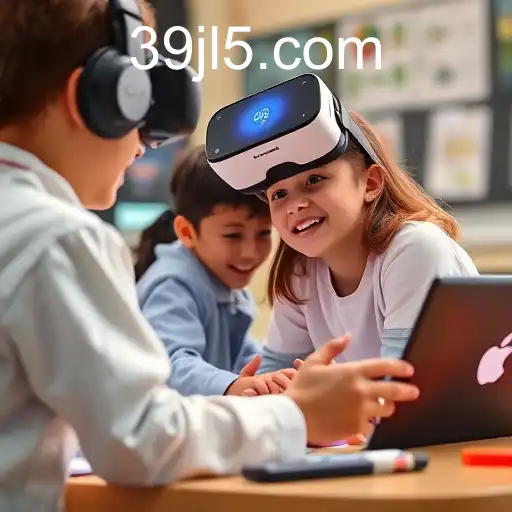
Exploring the impact of virtual gaming on the current educational landscape, focusing on the integration of platforms like 39jl and how they contribute to interactive learning environments.
In recent years, the educational landscape has undergone significant transformation, largely due to the integration of virtual gaming. As we navigate through 2025, platforms such as '39jl' continue to emerge as pioneering forces in utilizing gaming for educational purposes. This innovative approach not only enhances engagement but also fosters an environment of interactive learning.
One of the key elements contributing to this shift is the increasing accessibility of advanced technologies such as virtual reality (VR) and augmented reality (AR). These tools allow educators to create immersive experiences that break down traditional classroom barriers. Students can explore historical sites, conduct scientific experiments, and much more, all from the safety and convenience of their digital devices.
The focus on gamification in education is supported by numerous studies highlighting its efficacy. Educational games stimulate both cognitive and emotional engagement, making them ideal for subjects traditionally deemed less appealing by students. Platforms like 39jl have capitalized on these findings, offering a range of educational games that incorporate mathematics, science, language arts, and even social sciences.
Moreover, the COVID-19 pandemic has accelerated the adoption of such digital resources. With schools forced to close or operate under strict measures, digital platforms became an essential part of the learning routine. Parents and educators alike have welcomed these changes, recognizing the potential for technological solutions to supplement and enhance traditional educational methods.
However, it is crucial to ensure equitable access to these technologies. The digital divide remains a significant issue, with disparities in internet access and technological tools potentially hindering the educational progress of underprivileged students. Policymakers and educational institutions must work collaboratively to address these challenges, ensuring all students can benefit from advancements in educational technology.
As we continue to witness the growth of virtual gaming in education, it becomes increasingly clear that platforms like 39jl will play a crucial role in shaping the future of learning. By blending the lines between play and education, they not only make learning fun but also prepare students for a world increasingly dominated by digital solutions.

